





Genetics & Women’s Health: GSTM1 Gene Variation and Endometriosis Risk | Baranova Monaco ®
Genetics & Women’s Health: GSTM1 Gene Variation and Endometriosis Risk
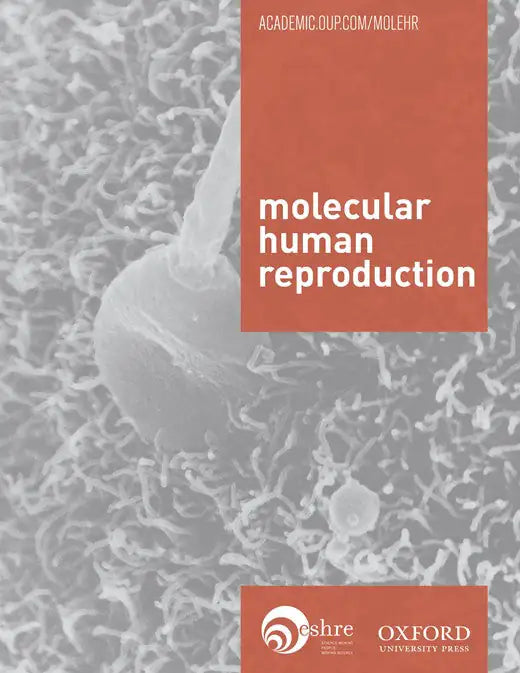
Endometriosis is a chronic condition affecting millions of women worldwide, yet its causes remain complex and multifactorial. While hormones and immune factors play a role, genetics is emerging as a key piece of the puzzle. One influential study published in Molecular Human Reproduction investigated how a specific gene variant may influence susceptibility to endometriosis.
🧬 What Is GSTM1 and Why It Matters
The GSTM1 gene codes for glutathione S-transferase M1, an enzyme involved in the body’s phase II detoxification processes. This enzyme helps neutralize and eliminate harmful compounds, including environmental toxins and metabolic by-products.
A common genetic variation — a deletion of the GSTM1 gene — results in loss of GSTM1 enzyme activity. This means individuals carrying this deletion may have reduced ability to detoxify certain compounds effectively.
🧠 What the Study Found
Researchers examined the GSTM1 gene polymorphism in women diagnosed with endometriosis compared to a control group without the condition. The key findings were:
✅ A strikingly higher proportion of women with endometriosis lacked active GSTM1 due to gene deletion
✅ Women with the GSTM1 deletion (no enzyme activity) were overrepresented in the endometriosis group compared to controls
These findings suggest a possible genetic predisposition in which reduced detoxification capacity may make women more vulnerable to environmental or metabolic triggers related to endometriosis development.
🌱 How Gene-Environment Interactions Shape Health
Importantly, this research highlights that genetic factors often interact with environmental influences:
👉 A GSTM1 deletion on its own does not cause endometriosis
👉 But when combined with environmental toxins or oxidative stress, the reduced detox capacity may contribute to disease risk
This supports a gene-environment model of disease development — where genetics can modify how the body handles exposures that influence long-term health outcomes.
🧪 What This Means for Women’s Health
Understanding gene variants like GSTM1 has real-world implications:
-
Personalized risk profiling: Genetic testing could help identify women at higher risk of endometriosis
-
Targeted prevention: Women with certain genetic profiles might benefit from lifestyle or dietary strategies to reduce toxin exposure
-
Future research: Further work may reveal how genomic data can inform treatment strategies or identify new therapeutic targets
In other words, genetics isn’t just about risk — it’s about empowering women with knowledge that can guide proactive health decisions.
🧬 The Bigger Picture: Genomics in Reproductive Health
Endometriosis is just one example of how genomics is reshaping our understanding of women’s health. Genetic studies are increasingly uncovering links between DNA variation and conditions such as:
-
ovarian aging and menopause timing
-
fertility and reproductive longevity
-
hormone-related disease risk
This scientific progress highlights that personalized medicine — medicine tailored to your genetic identity — is no longer a distant promise but a growing reality.
---
🛒 Start your personalized health journey
You don’t need to be a scientist to benefit from personalized prevention. Small daily choices can lead to powerful long-term results.
---
🧩 Conclusion: Genetics as a Guide to Better Health
The GSTM1 gene study underscores a powerful truth: our genes provide valuable insights into how our bodies respond to stressors, environmental exposures, and disease processes.
By understanding genetic variations like the GSTM1 deletion, we can better appreciate the individual nature of women’s health risks — opening doors to precision prevention, smarter screening strategies, and improved wellbeing.
Genomics doesn’t tell us our fate — it gives us information we can use.
---
📩 Get science-based health tips
Subscribe to our newsletter to receive:
- personalized wellness advice
- new product releases
- free health guides
- exclusive offers
Read more
What if a single genetic deletion could make you more vulnerable to endometriosis? Research published in Molecular Human Reproduction reveals that women carrying the GSTM1 gene deletion — which dis...

Why do some people stay healthy and vibrant into old age while others don't? The answer lies in our genetic networks. Genomics research is revealing that biological aging is shaped by complex inter...


Leave a comment
All comments are moderated before being published.
This site is protected by hCaptcha and the hCaptcha Privacy Policy and Terms of Service apply.